





As the world shifts toward renewable energy, more homeowners are exploring solar power as a practical and eco-friendly solution. Rising electricity costs and growing environmental concerns make solar panels an attractive option for households looking to save money while reducing their carbon footprint. But for beginners, the process of understanding, installing, and maintaining solar systems can feel overwhelming. This guide will walk you through the basics of solar power for homes and help you see why it could be the right choice for you.
Why Solar Power Matters?
Solar power uses energy from the sun, captured through panels, to generate electricity for your home. Unlike traditional fossil fuels, solar energy is clean, renewable, and abundant. With the right setup, homeowners can significantly reduce their reliance on the grid, cut utility bills, and even sell surplus electricity back to providers.
In many ways, solar energy represents clarity and vision, in contrast to the obscured layers of traditional energy systems. It’s like viewing a hidden face girl pic black and white mirror—the outline is there, but the deeper meaning comes into focus only when you look closely. Solar power brings that clarity to energy consumption by showing where your electricity comes from and how it can be sustainably managed.
Getting Started With Solar Panels
The first step in adopting solar energy is evaluating whether your home is suitable. Factors such as roof orientation, shade from nearby trees, and local climate conditions all affect efficiency. South-facing roofs with minimal shade typically generate the most power.
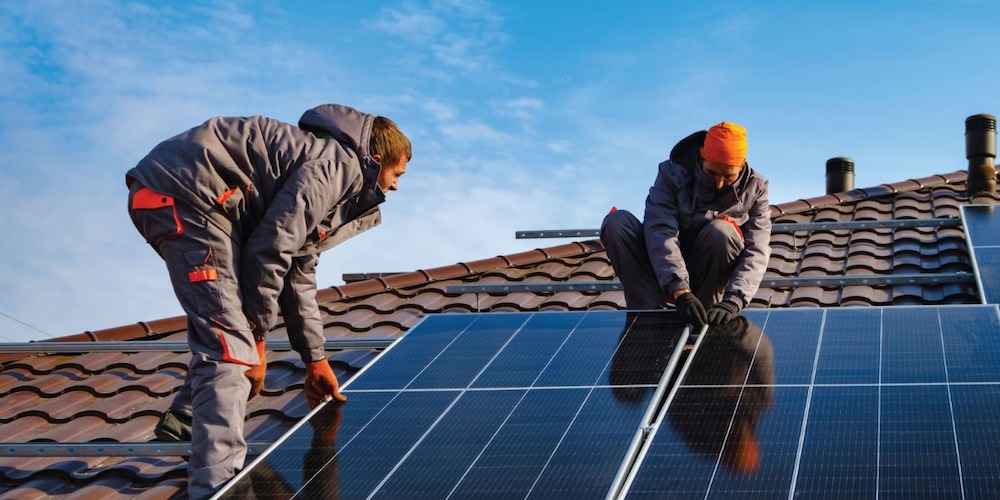
Next comes choosing the right panels. Options include monocrystalline, polycrystalline, and thin-film panels, each with varying costs and efficiencies. Installation requires professional expertise to ensure safety, proper wiring, and compliance with local regulations.
Platforms like a business listing directory Australia can help you find certified installers and suppliers in your area. Using trusted directories ensures you’re working with experienced professionals who deliver reliable service and support.
Costs And Savings
While solar panel installation can require a significant upfront investment, government rebates, tax incentives, and financing options can lower costs. Over time, the savings on electricity bills offset the initial expense, making solar panels a long-term financial advantage.
The return on investment varies depending on energy usage, local rates, and system size, but most homeowners see noticeable savings within a few years. Solar power isn’t just about reducing bills—it’s about investing in independence and sustainability.
Emotional And Cultural Shifts Toward Sustainability
Switching to solar power isn’t only a practical choice—it’s also an emotional one. It reflects a deeper desire to live responsibly and leave a positive impact on the world. In many cultures, this emotional connection to sustainability is growing stronger.
The way people find comfort in poetry or words on platforms like MySadShayari reflects how emotions shape decisions. Just as poetry captures hidden feelings, choosing solar is about expressing values—choosing to care for the planet, future generations, and community well-being.
Solar Power And Property Value
Investing in solar energy also boosts the value of your home. Buyers are increasingly attracted to properties with renewable energy systems, as they promise lower long-term utility costs and modern eco-friendly features.
Tools like a for sale by owner directory Australia make it easier for sellers to highlight such upgrades when marketing properties. A home with solar panels doesn’t just stand out in a crowded market—it often commands a higher price, showing that sustainable choices can also be profitable.
Integration With Modern Lifestyles
Solar energy fits seamlessly into modern living. Systems can be connected to smart meters, allowing homeowners to monitor usage in real time. Pairing solar panels with battery storage means you can store energy for cloudy days or nighttime use.
The integration of solar into everyday life mirrors how we adapt technology and culture. Just as an Australian restaurant directory helps people discover dining experiences that align with their tastes, solar technology gives homeowners control over how they consume and manage energy. It becomes a part of lifestyle planning, not just an upgrade.
Maintenance And Longevity
Solar panels require minimal maintenance. Regular cleaning to remove dust or debris and occasional professional inspections ensure systems operate efficiently. Most panels come with warranties of 20–25 years, meaning they provide value for decades.
Battery systems may require more care, but advancements in technology are making them increasingly reliable. With proper upkeep, solar power can remain a dependable energy source for the life of your home.
Is Solar Right For You?
Not every home is ideal for solar power. Renters, those with heavily shaded roofs, or people in regions with limited sunlight may find it less practical. However, for many households, solar is a transformative investment. It saves money, adds property value, and reduces reliance on fossil fuels—all while supporting global sustainability goals.
Before deciding, it’s wise to research your options, consult professionals, and weigh long-term benefits against upfront costs.
Conclusion
Solar power is more than a technology—it’s a movement toward independence, sustainability, and responsibility. For beginners, the journey starts with understanding how it works, evaluating your home’s potential, and seeking trusted experts to guide the process. As more homeowners embrace solar, the collective impact grows, shaping communities and protecting the planet. By taking small, informed steps today, you can join a growing movement that transforms not only your household but also the future of energy.


More Stories
Solar Power Basics For The Modern Household
Top Signs You Need A Licensed Plumber Right Away
Virtual Tours and Digital Leasing: The Future of Property Rentals