






As energy costs rise and climate concerns grow, more homeowners are turning to solar power as a practical and sustainable solution. Harnessing energy from the sun is no longer a futuristic concept—it’s an accessible, efficient way to reduce bills, increase property value, and contribute to a greener planet. For the modern household, understanding the basics of solar power is the first step in making an informed decision about installation and long-term benefits.
How Solar Power Works
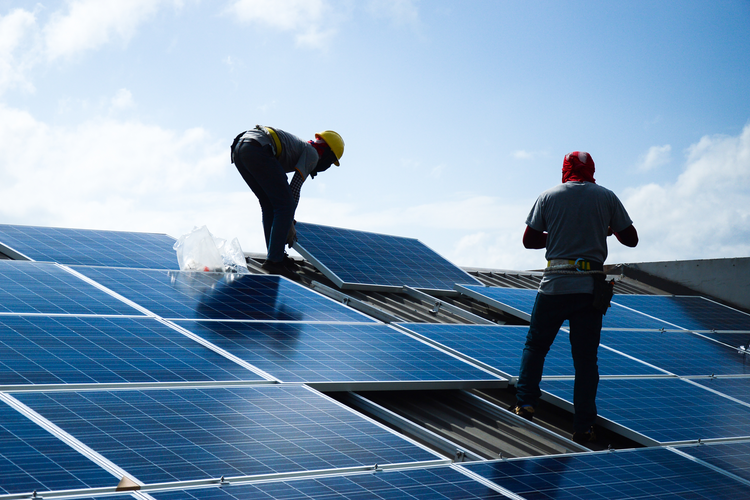
At its core, solar power relies on photovoltaic (PV) panels that capture sunlight and convert it into electricity. These panels are typically installed on rooftops, angled to maximize sun exposure. The electricity generated can power appliances directly or be stored in batteries for later use.
Any excess electricity produced can often be fed back into the grid, allowing homeowners to earn credits or rebates from utility companies. This dual benefit—lower bills and potential earnings—makes solar a smart investment for families looking to stabilize their energy costs.
Why Households Are Switching To Solar
The appeal of solar power is multifaceted. First, it reduces dependency on traditional fossil fuels, lowering carbon footprints. Second, solar systems can significantly cut electricity bills, with many households reporting savings of up to 70% on their monthly energy expenses. Third, government incentives and tax credits make solar more affordable than ever.
In addition to financial and environmental benefits, there’s a sense of independence that comes with generating your own energy. Homeowners no longer need to worry as much about rising utility rates or power outages.
Learning Through Community And Knowledge Sharing
Homeowners exploring solar power often begin by researching online resources, blogs, and forums to understand the basics. Many websites encourage knowledge exchange with sections like submit guest post, where experts and enthusiasts share insights about solar technology and installation experiences.
These shared stories provide practical perspectives that go beyond technical manuals, helping families make decisions with confidence. Learning from others’ journeys ensures that new solar adopters can avoid common pitfalls while enjoying the full benefits of solar energy.
Legal And Regulatory Considerations
Installing solar panels is not only a technical project but also a legal one. Different regions have zoning laws, building codes, and regulations about connecting systems to the power grid. Homeowners need to understand these requirements before investing.
Access to resources such as a lawyers register listing can be helpful for clarifying local regulations and contracts with installation companies. Having legal guidance ensures that agreements are fair, warranties are solid, and installations comply with regional laws, protecting homeowners in the long run.
The Role Of Media And Outreach
Public awareness plays a big role in the growing adoption of solar power. Educational platforms, magazines, and energy-focused websites often invite experts to contribute under write for us sections. These articles reach wide audiences, spreading information about renewable energy’s benefits and dispelling myths that might discourage adoption.
By engaging with these outlets, homeowners gain access to up-to-date knowledge, while advocates help drive the cultural shift toward cleaner, more sustainable energy practices.
Choosing The Right Installation Partner
Selecting a reliable installer is one of the most important steps in going solar. A good partner not only installs panels but also evaluates your home’s suitability, designs efficient systems, and provides long-term maintenance support.
Many solar companies emphasize their credibility through strong branding and online presence. Much like a web design company highlights trustworthiness and professionalism through a well-built website, solar installers use digital platforms to showcase customer reviews, certifications, and successful projects. These signals help homeowners feel confident in their choices.
Practical Support And Local Expertise
Beyond big installation firms, local experts also play a significant role in solar adoption. From electricians to roofing professionals, many skilled trades contribute to the process. Finding the right local help can make installation smoother and more cost-effective.
Homeowners often turn to resources such as a find a tradesman directory to connect with trustworthy local professionals. These directories provide access to vetted experts who understand community-specific needs, ensuring installations are efficient and safe.
Maintenance And Longevity
One of the best aspects of solar panels is their durability. Most systems last 25–30 years with minimal maintenance. Occasional cleaning and routine inspections are generally sufficient to keep panels performing at their peak. Many manufacturers also provide long warranties, further protecting homeowners’ investments.
In addition, modern solar technology is designed to withstand diverse climates, from heavy rain to strong winds, making it suitable for households in different environments.
The Future Of Solar For Homes
Solar technology continues to evolve. Emerging trends include more efficient panels, integrated battery storage, and even solar roof tiles that blend seamlessly with home design. As technology advances and costs decline, solar is expected to become a standard feature in modern households rather than a luxury option.
Furthermore, as more communities embrace renewable energy, local grids may transition toward decentralized systems where solar-powered homes contribute directly to neighborhood sustainability.
Conclusion
Solar power offers households a chance to save money, reduce environmental impact, and gain energy independence. By understanding how solar works, exploring legal requirements, choosing reliable partners, and learning from community experiences, families can take full advantage of this clean energy solution. For the modern household, solar is more than just a way to cut costs—it’s a long-term investment in resilience and sustainability. With the right knowledge and support, every home can become part of the global shift toward renewable energy.



More Stories
Solar Power For Homes: A Beginner’s Guide
Top Signs You Need A Licensed Plumber Right Away
Virtual Tours and Digital Leasing: The Future of Property Rentals